


Maryta Osorio – July 21, 2026
How Much Does a Wedding in Mexico Cost in 2026? A Complete Budget Guide for American Couples
Understand the factors that shape your wedding budget and plan your celebration with confidence.
If you’ve recently started exploring the idea of a destination wedding in Mexico, you’ve probably encountered one of the most frustrating parts of the planning process: finding reliable information about costs. Search online, and you’ll quickly discover that every website seems to offer a different answer. Some articles suggest that a beautiful wedding in Mexico can be organized for a surprisingly modest budget, while others focus almost exclusively on extravagant celebrations that appear financially out of reach for most couples. Neither perspective tells the complete story. The reality is that there is “no universal price” because “there is no universal destination wedding”. Every celebration is different, and every budget reflects the priorities, personalities, and expectations of the couple planning it.
This is one of the reasons so many couples feel overwhelmed before they have even selected a destination. They begin comparing numbers that were calculated for weddings with completely different guest counts, locations, venues, and levels of service. Instead of gaining clarity, they become uncertain about what they should realistically expect. The good news is that building a wedding budget doesn’t begin with numbers—it begins with
understanding the experience you want to create. Once that vision is clear, every financial decision becomes easier because it serves a purpose rather than simply adding another expense to the spreadsheet.
Throughout this guide, we’ll look beyond average prices and internet estimates to understand what truly influences the cost of a wedding in Mexico. You’ll learn which decisions have the greatest impact on your budget, where couples usually choose to invest more, where it makes sense to be strategic, and how to avoid comparing your celebration with someone else’s. More importantly, you’ll discover that the goal isn’t to spend as little as
possible or as much as possible. The goal is to invest wisely in the moments that will still matter long after your wedding weekend has ended.
Quick Answer
The cost of a destination wedding in Mexico depends on far more than the destination itself. Guest count, venue selection, travel season, included services, and the overall style of the celebration all influence the final investment. Two couples may choose the same resort during the same month and still have completely different budgets simply because they value different aspects of the experience.
The five factors that have the greatest impact on your investment are:




Rather than asking, question is, “How much does a wedding in Mexico cost?”, a more useful “What kind of wedding do we want to create?” Once you define that vision, the financial planning process becomes much more practical and significantly less stressful.
Why There Isn’t a Standard Price for a Wedding in Mexico
One of the biggest misconceptions about destination weddings is the belief that there is an average price that applies to everyone. While surveys and online calculators can provide a general reference, they rarely reflect the reality of individual couples. Weddings are deeply personal celebrations, and the financial decisions behind them are just as personal. A number published on a website may represent one specific type of wedding, but it says very little about the celebration you’re actually planning.
Imagine two couples who decide to marry in Mexico during the same month. Both invite eighty guests, both choose beachfront venues, and both stay for an entire wedding weekend. At first glance, their weddings appear almost identical. However, one couple dreams of an elegant, understated celebration where the focus is on spending quality time with family, while the other envisions multiple events, elaborate décor, live entertainment, and a highly customized guest experience. Although their guest counts are the same, their priorities are completely different, and those priorities naturally shape two very different budgets.
Couple 1
80 Guests
Beachfront Venue
Wedding Weekend
Quality Time
Simple Décor
Couple 2
80 Guests
Beachfront Venue
Wedding Weekend
Multiple Events
Elaborate Décor
Live Entertainment
Customized Experience
This is why comparing your wedding with someone else’s can become one of the biggest sources of unnecessary stress. A budget should never be treated as a scorecard or a benchmark against other couples. Instead, it should function as a roadmap that helps you invest in the experiences that are most meaningful to you. Once you stop asking what other couples spent and begin asking what matters most to your own celebration, financial planning becomes far more intentional.
“The wedding becomes the highlight of an experience rather than the entire experience.”
The Five Factors That Have the Greatest Impact on Your Budget
Before discussing venues, vendors, or wedding packages, it’s important to understand the five variables that influence almost every destination wedding in Mexico. These factors don’t work independently. They interact with one another, meaning that a decision made early in the planning process often affects several other areas of your budget. Recognizing these relationships is one of the best ways to make confident financial decisions throughout the planning journey.

1. Guest Count
If there is one decision that influences your budget more than any other, it is the number of guests you choose to invite. Many couples assume that guest count affects only food and beverages, but its impact extends much further. This doesn’t mean that a larger wedding is less desirable. It simply means that guest count should be one of the earliest conversations you have as a couple because it establishes the foundation for many of the decisions that follow. Every additional guest may influence several areas of your celebration including:
Venue capacity.
Catering and beverage service.
Ceremony and reception seating.
Transportation.
Welcome events.
Table settings and rentals.
Floral arrangements.
Printed materials and wedding favors.
Staffing requirements.
Venue capacity.
Catering and beverage service.
Ceremony and reception seating.
Transportation.
Welcome events.
Table settings and rentals.
Floral arrangements.
Printed materials and wedding favors.
Staffing requirements.
This doesn’t mean that a larger wedding is less desirable. It simply means that guest count should be one of the earliest conversations you have as a couple because it establishes the foundation for many of the decisions that follow. A clear understanding of how many people you hope to celebrate with will make venue selection, budgeting, and logistical planning considerably easier.
One interesting pattern we’ve observed over the years is that couples often begin planning with a long list of potential guests, only to discover that what they truly want is a more intimate experience. As priorities become clearer, the guest list usually becomes more intentional, allowing them to invest more deeply in the overall experience rather than simply increasing the number of attendees. One couple we worked with, Hannah and Ryan from Colorado, initially expected to invite nearly 170 people because that was what both of their families assumed a wedding should look like. During one planning session, however, they paused to answer a simple question:
“When you imagine your wedding ten years from now, what moments do you hope you’ll remember?” Their answers had nothing to do with numbers. They talked about slow breakfasts with their parents, spending time with lifelong friends, watching the sunset together before the ceremony, and enjoying an entire weekend without feeling rushed. That conversation completely changed the direction of their planning. By refining their guest list, they didn’t feel like they were giving something up. Instead, they felt they were creating the kind of experience they had envisioned from the beginning.
2. Destination
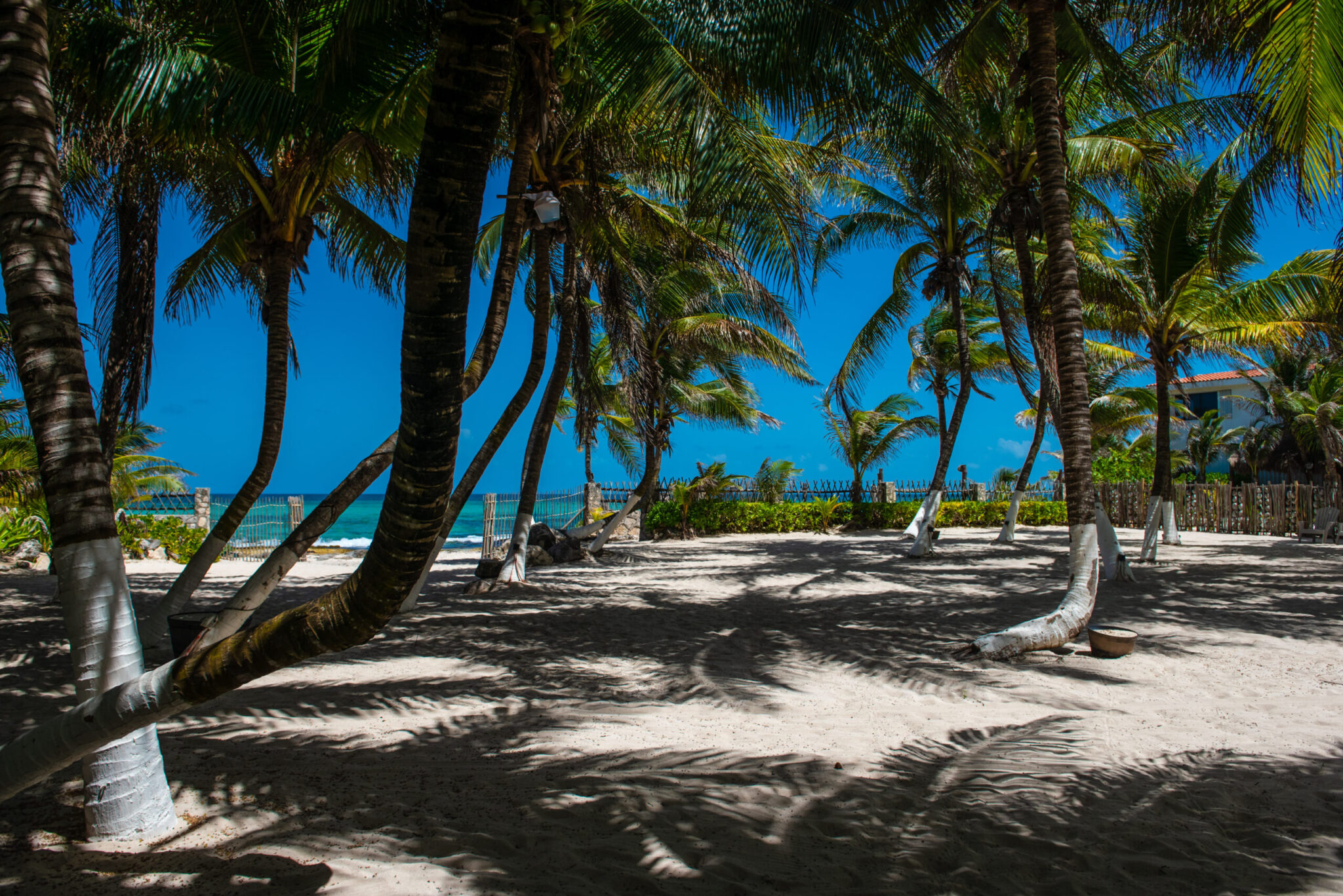
The destination you choose also plays an important role in shaping your wedding budget, but perhaps not in the way many couples expect. While pricing certainly varies from one region to another, the destination also determines the style of venues available, seasonal demand, travel logistics, and the type of experience your guests will have throughout the celebration.
Each destination offers its own personality:
Riviera Maya: Exceptional variety of luxury resorts, experienced vendors, and venues for weddings of every size.
Riviera Nayarit: Pacific coastline, relaxed luxury, and a more exclusive atmosphere.
Cancún: Excellent flight connectivity and resorts designed for large celebrations.
Playa del Carmen: A balance between beachfront resorts, boutique hotels, and vibrant local culture.
Tulum: Ideal for couples seeking boutique luxury, natural settings, and a more intimate aesthetic.
Rather than asking which destination is the least expensive, we encourage couples to consider which destination best supports the experience they want to create. Financial decisions become much easier when they are guided by a clear vision instead of a single number.
3. Your Venue
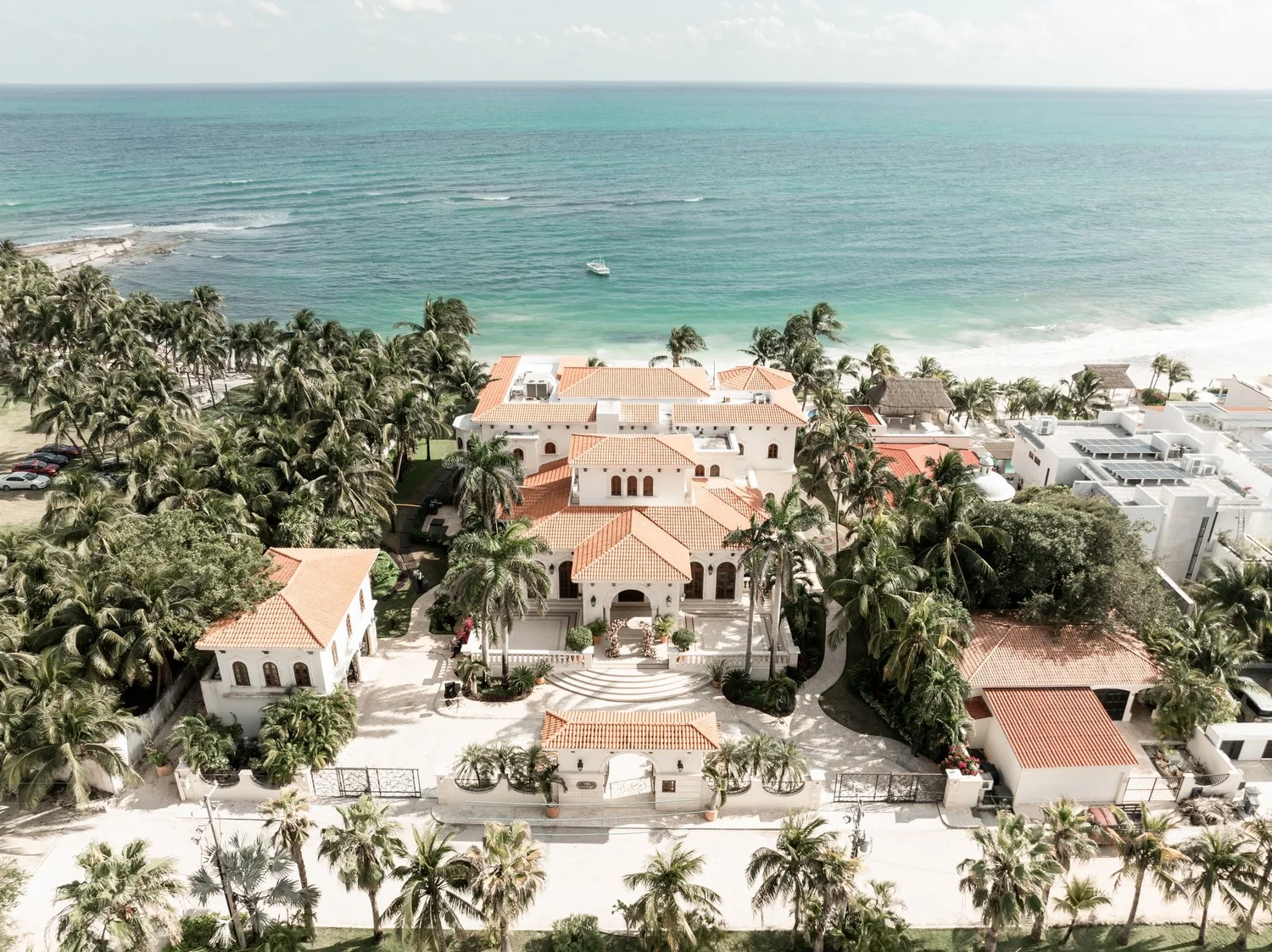
Once couples have decided where they want to get married, the next decision usually has the greatest influence on both their budget and their guests’ experience: choosing the venue. Many people naturally compare venues based on price alone, but that approach can be misleading. Two venues with similar starting prices may represent completely different investments once you understand what each package includes. A resort that initially appears more expensive may actually include services that would otherwise need to be hired separately, while a lower-priced venue may require additional vendors, rentals, and coordination that increase the overall cost.
When comparing venues, it’s important to look beyond the initial quote and evaluate the complete value being offered. Questions such as these often provide a much clearer picture:
Does the venue include catering and beverages?
Is basic décor included, or is everything customized?
Are tables, chairs, linens, and tableware provided?
Is there an in-house coordination team?
Are there vendor restrictions or outside vendor fees?
Does the venue offer preferred room rates for guests?
Are there ceremony location fees?
Are there minimum guest or food-and-beverage requirements?
Understanding these details early in the planning process prevents unpleasant surprises later and allows you to compare venues fairly rather than simply comparing prices. One couple, Melissa and Aaron from Illinois, fell in love with two different venues during their initial search. The first appeared significantly less expensive, making it seem like the obvious choice. However, after reviewing both proposals in detail, they realized the lower-priced venue excluded nearly everything beyond the space itself. Furniture, lighting, sound equipment, coordination, transportation, and several logistical services would all need to be contracted independently. The second venue included most of those elements from the beginning, resulting in a higher initial price but a lower total investment once every expense was considered.
Looking back, Melissa admitted that learning to compare value instead of price completely changed the way they made decisions throughout the planning process.
4. Wedding Season
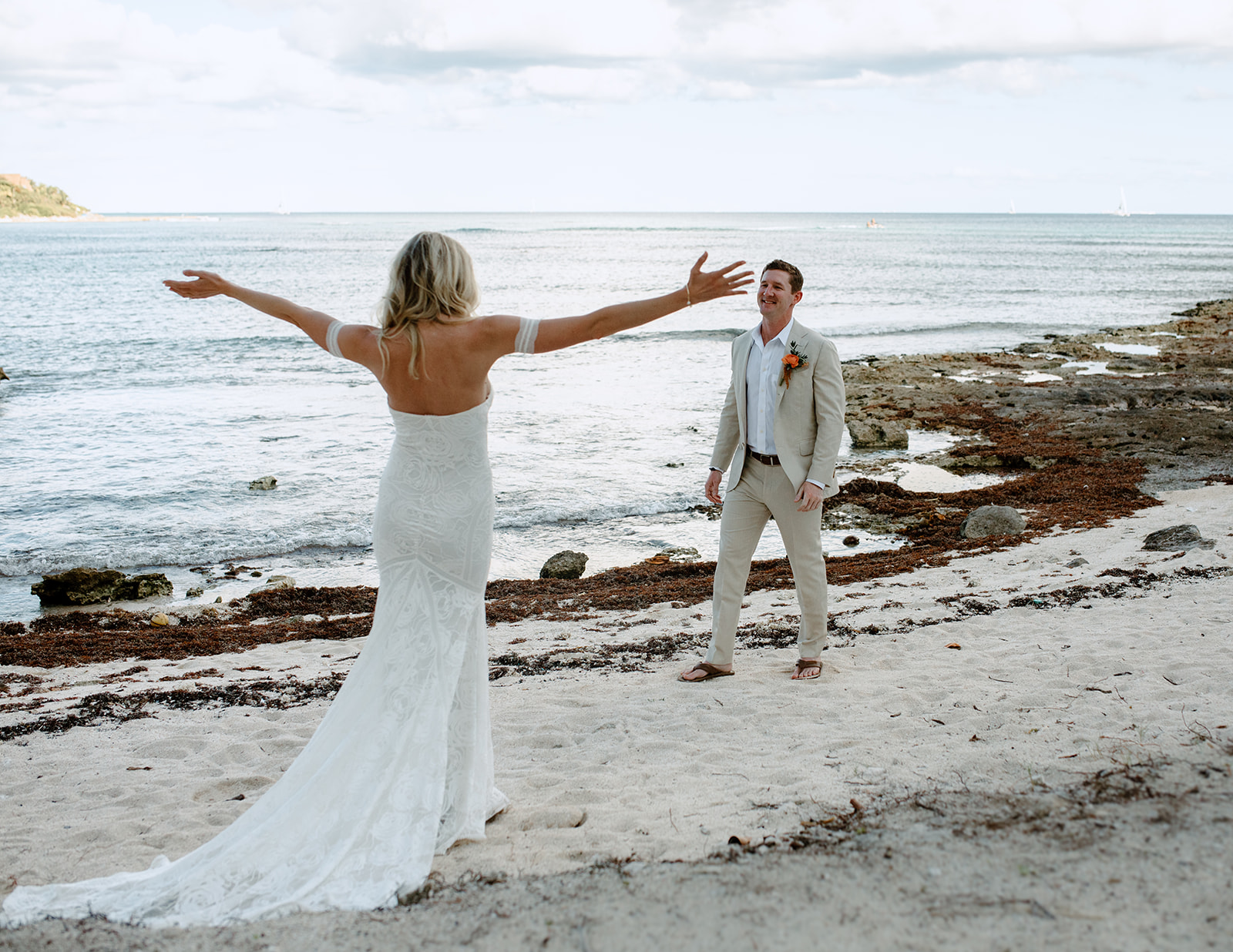
The time of year you choose to get married can influence your budget just as much as the venue itself. While many couples immediately focus on weather, seasonality also affects hotel availability, travel costs, guest convenience, and overall demand for wedding services. Mexico offers beautiful wedding opportunities throughout the year, but each season brings different advantages. Rather than searching for the “perfect month,” it’s more helpful to understand which season best aligns with your priorities.
For example, different times of the year may offer benefits such as:
Greater hotel availability.
Lower airfare for guests.
More accommodation options.
Cooler evening temperatures.
Longer daylight for photography.
Smaller crowds at resorts.
Choosing your wedding date is often a balance between budget, weather, and guest convenience. A date that seems ideal from one perspective may present challenges from another, which is why evaluating the complete experience is always more valuable than focusing on a single factor.
We’ll explore this topic in much greater detail in our guide about the best time of year to get married in Mexico, where we’ll compare seasons, weather patterns, and travel considerations across Riviera Maya, Riviera Nayarit, Cancún, Playa del Carmen, and Tulum.
5. The Experience You Want to Create
Perhaps the most overlooked factor in any wedding budget is also the most important.
What do you want your wedding to feel like? Couples often begin planning by asking how much they should spend. Experienced planners usually begin with a different question:
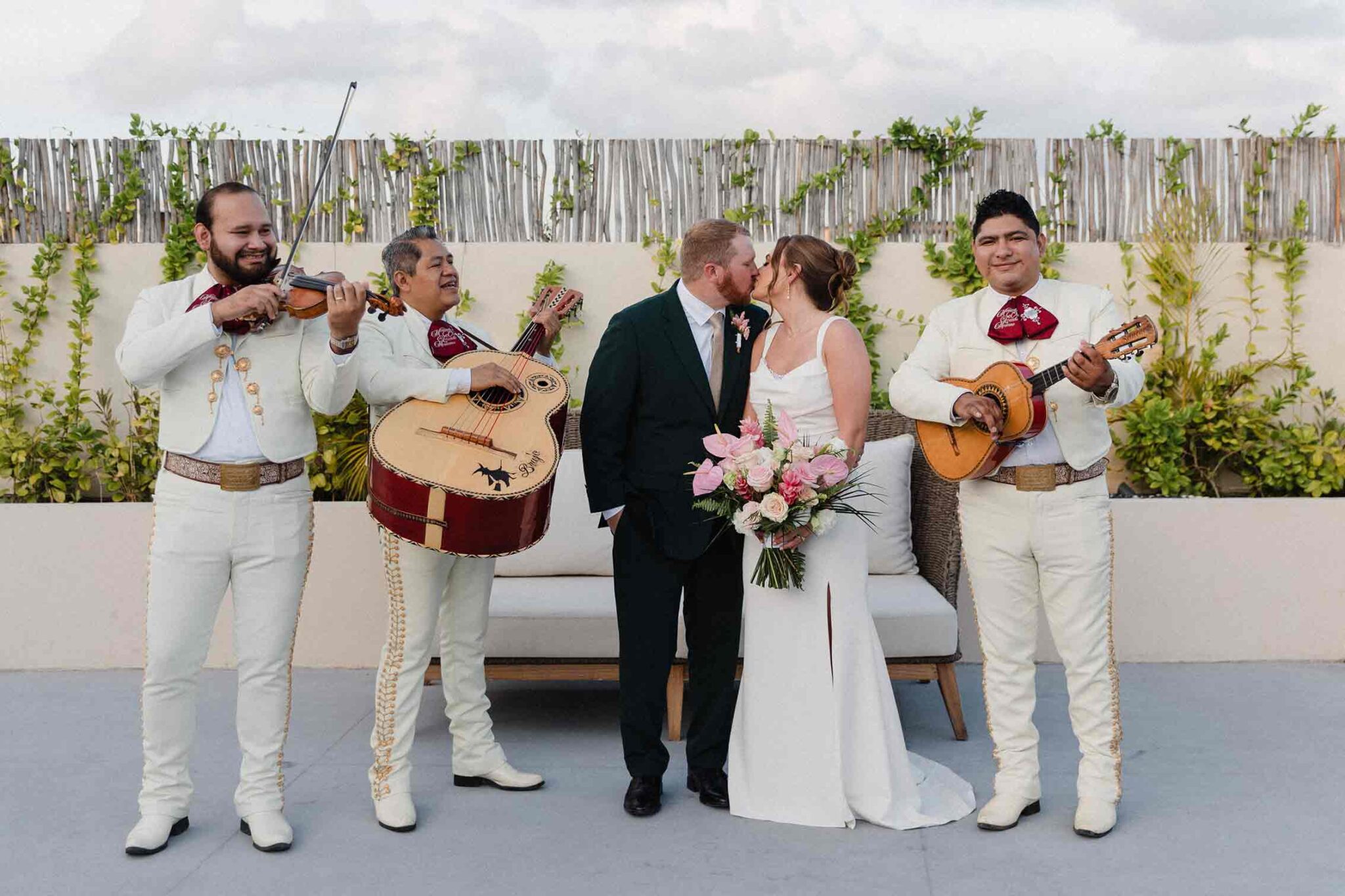
“What do you want people to remember?” That answer shapes every financial decision that follows. Some couples dream about hosting an elegant black-tie reception where every detail feels timeless and sophisticated.
Others imagine a relaxed wedding weekend filled with beach dinners, welcome parties, and opportunities for both families to spend meaningful time together. Some prioritize extraordinary photography because preserving memories is essential to them. Others care most about live music, exceptional food, or creating unforgettable experiences for their guests before and after the ceremony.
None of these priorities are more important than the others. They simply reflect different values. Once those values are clearly defined, allocating the budget becomes much easier because every investment supports a specific purpose instead of competing for attention. One of the most memorable conversations we’ve had was with a couple who arrived carrying a detailed spreadsheet filled with projected expenses. They expected our first meeting to revolve around numbers, percentages, and cost estimates. Instead, we spent nearly an hour talking about the people they loved most, the atmosphere they wanted to create, and the moments they hoped would become lifelong memories. By the end of that conversation, the spreadsheet hadn’t disappeared—it had become something much more meaningful. Every line represented an experience rather than an expense, and budgeting no longer felt like limiting possibilities. It felt like intentionally investing in the story they wanted to tell.
Ready to Start Planning Your Destination Wedding in Mexico?
Explore your options and speak with our team about creating an unforgettable celebration for you and your guests.
A Better Way to Think About Your Wedding Budget
It’s completely natural to search for an average cost before making such an important decision. Every couple wants reassurance that they’re planning responsibly and investing wisely. However, after years of helping couples plan destination weddings in Mexico, we’ve learned that the most successful celebrations rarely begin with a budget. They begin with a vision.
Once you know what matters most, the numbers start making sense. Instead of asking whether a particular expense is worth it, you begin asking whether it contributes to the experience you want your guests—and yourselves—to remember years from now. That shift in perspective changes everything. A wedding budget stops being a list of costs and becomes a plan for creating meaningful memories.
In the next guide, we’ll take that planning process one step further by breaking down exactly where couples typically allocate their wedding budget, which expenses deserve the most attention, and where it’s possible to save without compromising the overall experience.